
Which Diamond Should I Buy?
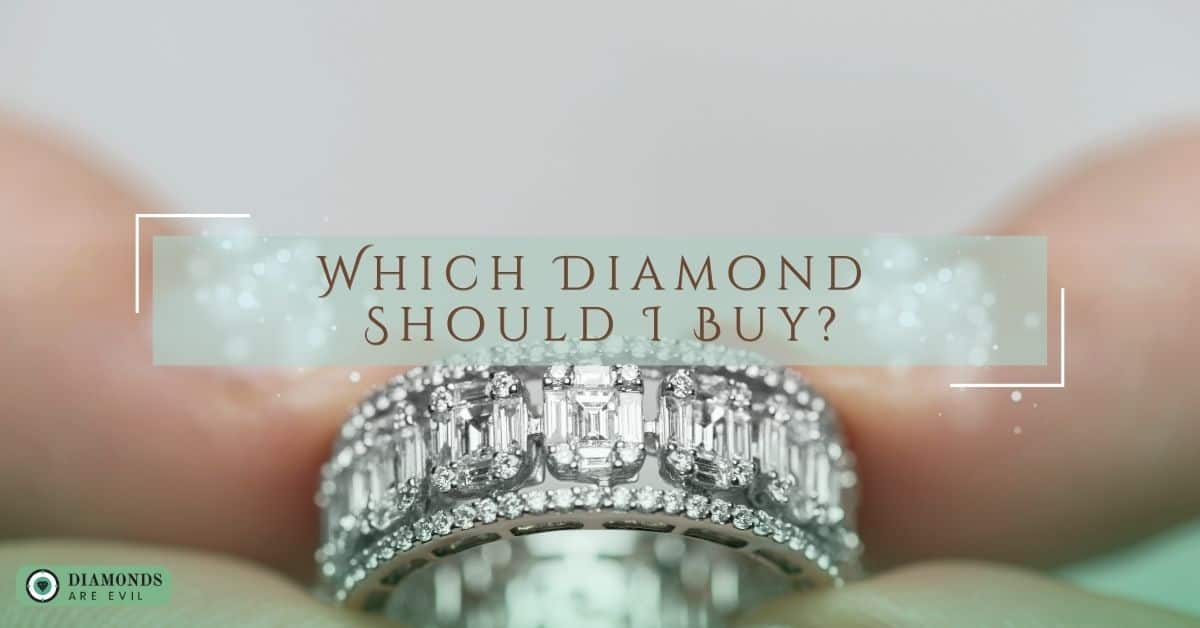
When it comes to purchasing a diamond, can be an overwhelming and stressful process. There are so many questions to answer: What size? What color? Which shape is best for me? How much should I spend? But don’t worry! In this blog post, we’ll help you decide which diamond is the perfect fit for you.
Which Diamond Should I Buy?
When it comes to buying a diamond, there are many options available on the market. From carat weight and cut to color and clarity, it can be overwhelming to navigate the different options and find the perfect diamond for your needs.
Choosing the right diamond for your needs can be a daunting task. With so many different factors to consider, such as carat size, cut, clarity, and color, it is important to have an understanding of what type of diamond will best suit your needs. Knowing where to find a reputable jeweler is also key when making an informed decision on purchasing a quality diamond. With the right research and guidance, you can be sure you are getting the perfect diamond for your needs.
Diamond Market and the Various Diamond Options for Buyers
The diamond market is a global industry that includes the mining, cutting, polishing, and retailing of diamonds. The majority of diamonds are mined in Africa, with significant mines also located in Russia, Canada, and Australia.
When buying a diamond, buyers have several options to consider. The most important factors to consider when choosing a diamond are the “Four Cs”: Cut, Carat weight, Clarity, and Color.
- Cut refers to how well the diamond has been cut and shaped, which affects its symmetry, brightness, and overall appearance.
- Carat weight is the measurement of a diamond’s size and weight.
- Clarity refers to the presence of any natural or man-made internal or external imperfections.
- Color refers to how colorless a diamond is, with the most valuable diamonds being completely colorless.
In addition to these factors, buyers can also choose from different diamond shapes, such as:
- round
- princess
- oval
- pear
- marquise
They can also choose between natural and lab-grown diamonds. Lab-grown diamonds are chemically and physically identical to natural diamonds, but are typically less expensive and more ethically produced.
It’s also important to note that a diamond certificate, also known as a diamond grading report, is a document that provides an independent assessment of a diamond’s characteristics and quality. The most reputable certificates are issued by GIA (Gemological Institute of America), HRD (Hoge Raad voor Diamant), and IGI (International Gemological Institute).
Why It Is Important to Choose the Right Diamond for Your Needs
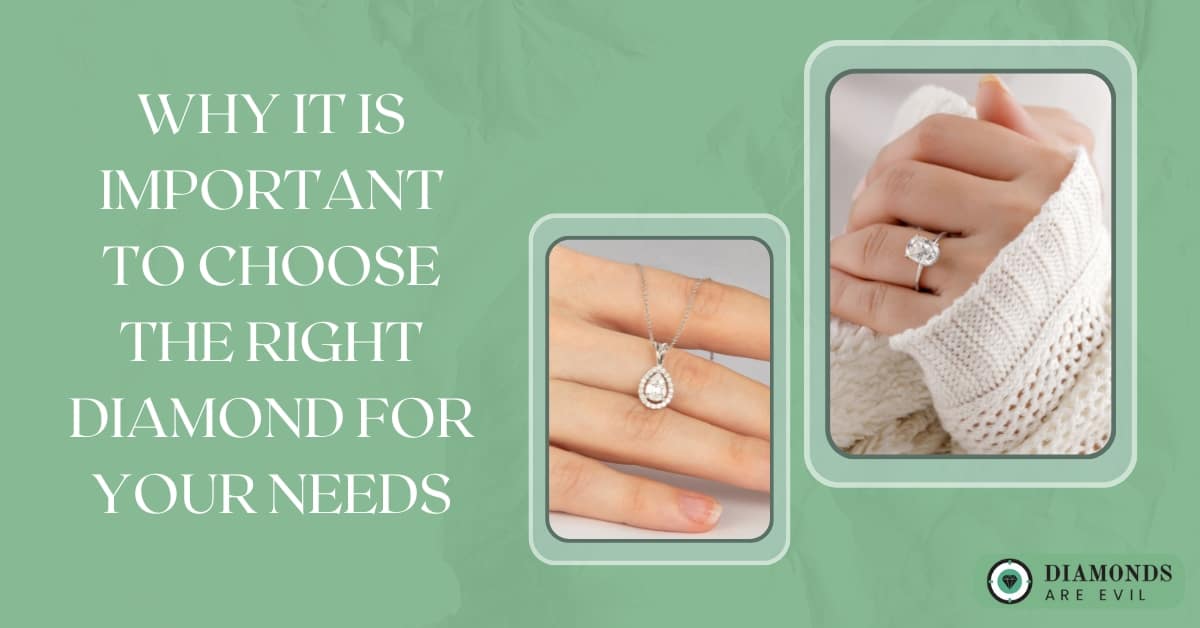
Firstly, a diamond is often a significant financial investment. It is important to choose a diamond that is of good quality and value for money. This will ensure that your investment will hold its value over time.
Secondly, a diamond is often a symbol of love, commitment, or celebration. It is important to choose a diamond that holds personal significance and meaning. It could be a representation of the relationship or a special moment in your life. When you look at the diamond, it should bring back happy memories and make you feel special.
Thirdly, a diamond is also an accessory that you will be wearing or displaying for years to come. It is important to choose a diamond that you will enjoy looking at and that will complement your style.
Lastly, it is also important to choose a diamond that is ethically sourced. With the growing concern for environmental and social responsibility, it’s important to purchase a diamond that was mined and cut sustainably and responsibly.
Choosing the right diamond for your needs is important for financial, personal, aesthetic, and ethical reasons. By understanding the diamond market and your personal preferences, you can make an informed decision and choose a diamond that will bring you joy and satisfaction for years to come.
Common Types of Diamonds
Shopping for a diamond can be an intimidating experience, as there are so many options to choose from. It’s important to understand the basics of the diamond-buying process to ensure that you get the best value and quality.
- Carat size is one of the main factors that determine a diamond’s price
- Natural diamonds range between 0.2 and 10 carats, while lab-made diamonds have a slightly smaller size range
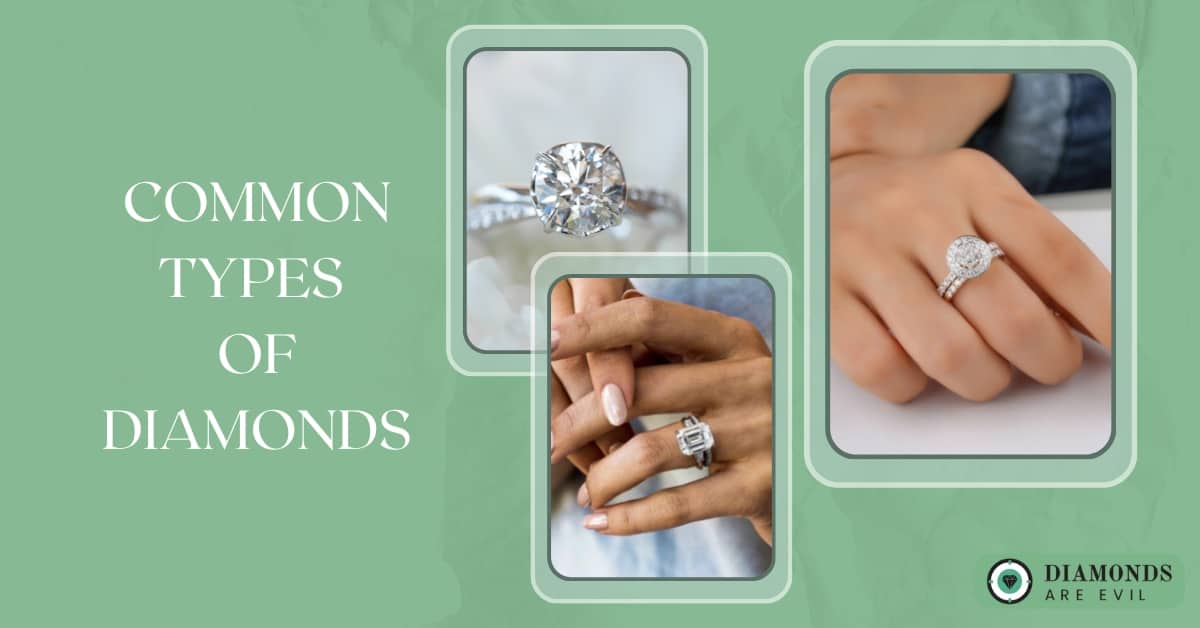
The shape or cut of a diamond can make it extremely unique, with popular cuts including round brilliant, cushion cut, emerald cut, princess cut, and pear-shaped diamonds. Clarity refers to how free a diamond is from inclusions or blemishes; natural diamonds typically have higher clarity than lab-made ones. Color also affects a diamond’s value; with natural diamonds being graded on a scale from D (colorless) to Z (light yellow), and lab-made diamonds having more limited color availability.
The price range of diamonds varies widely depending on carat size, quality and other specifics. In general, natural diamonds tend to be more expensive than lab-made ones due to their rarity and scarcity in the market. However, this does not mean that lab-made diamonds are necessarily inferior in quality – they often look just as gorgeous but cost significantly less when compared with natural stones of an equal carat weight and quality.
The table below summarizes some of the advantages and disadvantages of each type of diamond:
| Diamond Type | Advantages | Disadvantages |
|---|---|---|
| Round Brilliant | Ideal symmetry | More difficult to resize |
| Cushion Cut | Versatility | Not ideal for those who desire brilliance |
| Emerald Cut | Extremely elegant | Susceptible to chipping |
| Princess Cut | Square shape | Prone to hidden flaws |
When selecting your perfect diamond, it’s important to consider all these factors carefully against your budget in order to make sure you get the most out of your purchase! All diamonds are unique pieces that come with their own unique set of characteristics – whether they are natural or lab-grown – so take time during your search process to find exactly what you’re looking for!
Selecting a Jeweler
Selecting a jeweler for a diamond purchase is an important decision. You want to make sure that you are buying from someone reputable and trustworthy, who provides quality diamonds at competitive prices.
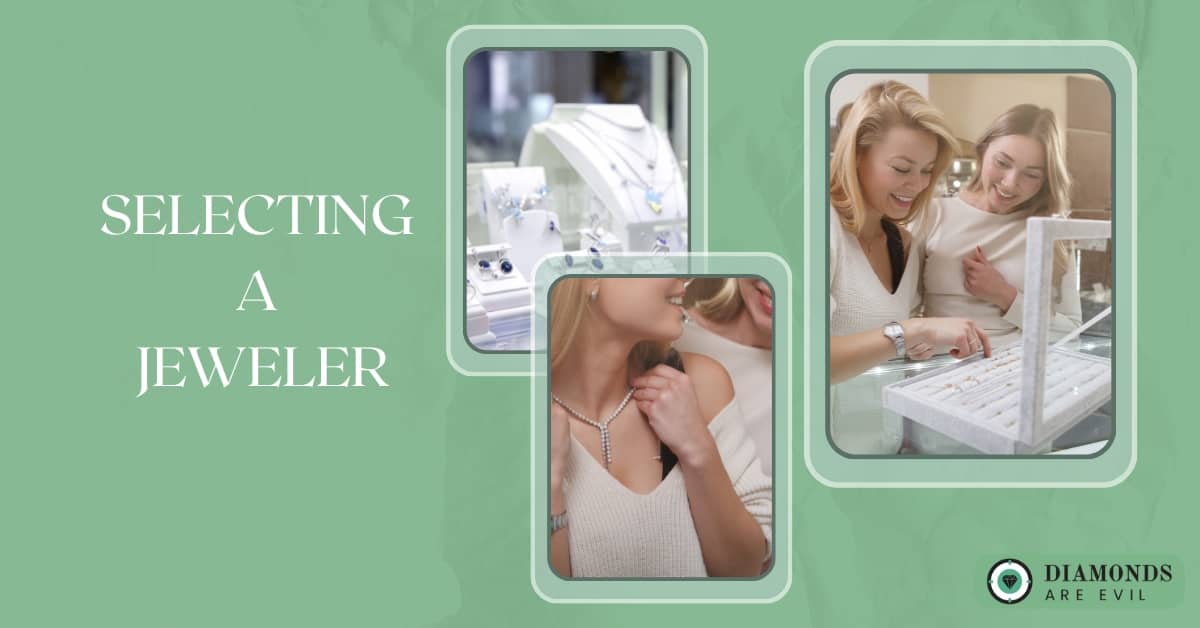
When it comes to selecting the right jeweler, it’s important to do your research and shop around for the best deal. Make sure to read reviews of different jewelers and look for certifications or affiliations with independent labs or organizations such as the Gemological Institute of America (GIA). These accreditations are designed to ensure the authenticity and reliability of diamonds sold by jewelers, so they can be a good indication of trustworthiness.
Once you have found the right jeweler, it’s essential to inspect the diamond before making a purchase. It’s advisable to ask to see a certificate detailing information about the diamond – such as its carat size, cut, color, and clarity – which can help you make an informed decision about whether or not it is right for you. Additionally, you can use specific instruments to check the diamond’s brilliance, proportions, and symmetry to ensure that it meets your desired standards.
Choose your jeweler carefully and inspect any diamond thoroughly before committing – it will be worth it when you find the perfect stone!
Setting a Budget
Setting a budget for a diamond can be a daunting process, as it’s important to ensure that you get the most out of your purchase. Different factors such as size, shape, setting type, and certification type (GIA/AGS) can affect prices, so it’s important to consider your individual preferences and lifestyle before committing.

When budgeting for a diamond, the most important thing is to understand the four Cs – color, cut, clarity and carat weight – which help determine its quality and price. It’s also essential that you set aside money for setting fees. If you plan on having the stone set in gold or platinum, then factor those costs into the budget too. Many jewelers offer different types of settings – from classic solitaires to elaborate halo designs – and each will come with its unique fee structure depending on design complexity.
Finally, if you are looking for GIA/AGS-certified diamonds then look out for additional certification costs as they may add an extra layer of expense depending on how highly graded your chosen diamond is.
Setting a budget can seem overwhelming but with careful consideration of all these key factors it should not take long before you find the perfect diamond at an affordable price!
In conclusion
Purchasing a diamond is an important decision. It is important to understand the four Cs – cut, carat weight, clarity, and color – as well as any other options that are available when it comes to selecting a stone. Additionally, it’s essential to research reputable jewelers and carefully inspect diamonds before making your purchase.
Finally, budget accordingly and factor in any setting fees to ensure that you are getting the best value for your money. With the right research and guidance, you can be sure you will find the perfect diamond for your needs.