
Why Diamonds Are Not Indestructible
Diamonds have long been held in high esteem for their beauty and rarity. They are often seen as symbols of love, commitment, strength, and luxury. While diamonds are one of the hardest substances on Earth, they are not indestructible.
Despite their hardness, they are brittle and can be damaged or shattered by a hard blow or a sharp impact. Diamond cleavage planes are also vulnerable to cracking, and extreme heat or pressure can cause diamonds to fracture. Proper care and maintenance can help minimize the risk of damage to diamonds.
This article will explain why diamonds are not indestructible, what the Mohs scale is and how it relates to diamond hardness, the brittleness of diamonds, their vulnerability to cleavage, how heat and pressure can impact a diamond’s quality, and the importance of proper care and maintenance.
The Misconception of Diamonds as Indestructible
The misconception of diamonds being indestructible is largely due to their extraordinary hardness and durability. Many people believe that because diamond is the hardest substance on earth, they must be unbreakable as well. However, this is not the case; while diamonds are made of extremely hard material, they can still be damaged or shattered if subjected to extreme heat, pressure, or a hard blow.
The perception of diamonds as indestructible is also due to the lengths people will go to to protect them. Diamonds are often set in rings and other pieces of jewelry that are designed to cushion the stones from impact and damage.
People also place their diamonds in secure settings, such as safes or vaults, to keep them safe from harm. Despite these precautions, diamonds are still vulnerable to physical damage and should be handled with care.
The Mohs Scale: Understanding Diamond Hardness
The Mohs Scale is a system used to measure the hardness of minerals. It was developed by Friedrich Mohs in 1812 and is still widely used today. Diamond is often regarded as the hardest substance on the Mohs Scale with a ranking of 10.
However, it’s important to note that the Mohs Scale is not linear, meaning that the difference in hardness between each mineral is not equal. Here’s a table to better understand the Mohs Scale and where the diamond falls on it.
| Mineral | Hardness Ranking | Description |
|---|---|---|
| Talc | 1 | The softest mineral, easily scratched with a fingernail |
| Gypsum | 2 | Very soft, and can be scratched with a fingernail |
| Calcite | 3 | Can be scratched with a copper penny |
| Fluorite | 4 | Can be scratched with a knife |
| Apatite | 5 | Can be scratched with a steel knife |
| Orthoclase | 6 | Can be scratched with a steel file |
| Quartz | 7 | Harder than steel, can scratch glass |
| Topaz | 8 | Harder than quartz, but still scratches glass |
| Corundum | 9 | Very hard, can scratch most substances except diamond |
| Diamond | 10 | Hardest substance known to man, can only be scratched by another diamond |
The Mohs Scale serves as a useful tool for evaluating the durability and scratch resistance of minerals, including diamonds. However, it’s important to keep in mind that the scale only measures a mineral’s resistance to scratching, and does not take into account other factors that may affect its durability, such as brittleness or cleavage.
The Brittleness of Diamonds
Diamonds are incredibly hard, but they are also very brittle. This means that even though diamonds have a hardness of 10 on the Mohs Scale and can resist scratches from other minerals, they can still be shattered or chipped if subjected to a sharp blow or impact. The brittleness of diamonds is due to their molecular structure; diamond molecules are tightly knit and can easily break under pressure.
This brittleness means that diamonds must be handled with care, as even a light knocks against a hard surface could cause the stone to chip or crack. As such, it’s important to ensure that diamonds are stored in secure settings where they won’t be subjected to any blows or impacts.
The setting should also be designed to protect the diamond from any scratches or other damage. It’s also important to remember that diamonds can be damaged by extreme temperatures, so they should not be exposed to heat sources such as open flames or a stovetop.
The Impact of Heat and Pressure on Diamonds
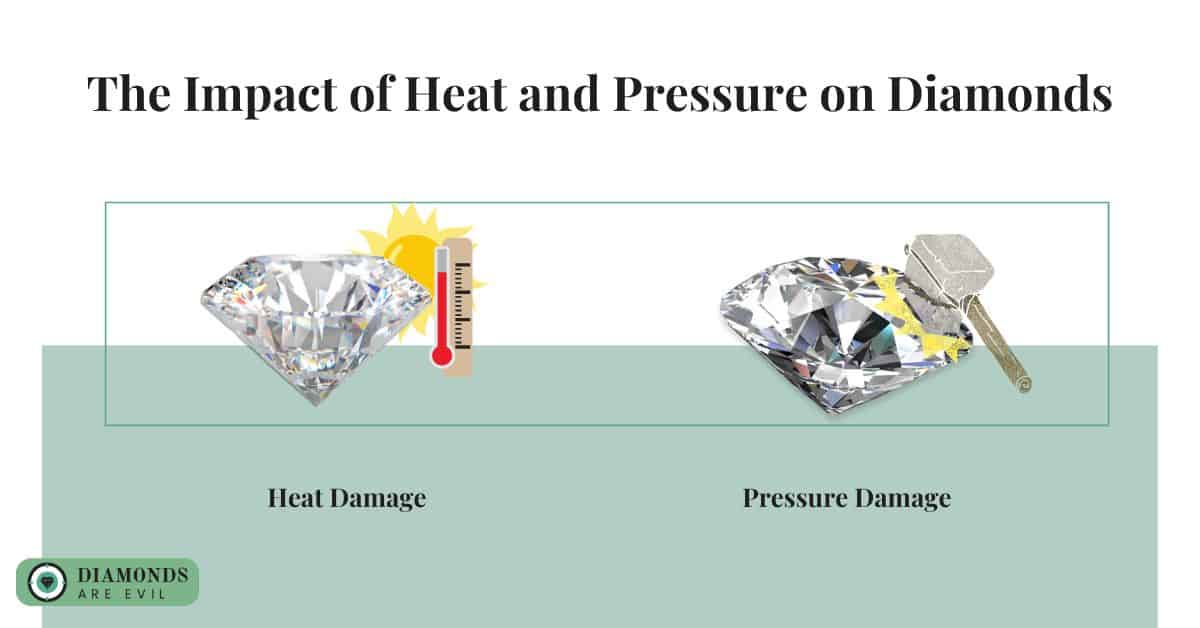
Diamonds are incredibly resilient, but they can be damaged if subjected to extreme temperatures or pressure. Heat and pressure can cause diamonds to fracture, warp, or even disintegrate completely. This is why diamond owners need to understand the potential impact of heat and pressure on their stones.
Heat Damage
Diamonds are incredibly heat resistant, but they can be damaged if exposed to temperatures above 572°F (300°C). At these temperatures, diamond molecules start to break down and form bubbles or other imperfections in the crystal structure. The higher the temperature, the more damage that is done. In some cases, a diamond can be destroyed by extreme heat.
Pressure Damage
Diamonds are also susceptible to pressure damage, with the exact amount of force required to cause damage varies depending on the type and size of the stone. When subjected to pressure, diamond molecules may become distorted or shift out of place. Pressure can also cause diamonds to fracture or shatter.
The Vulnerability of Diamond Cleavage
Diamond cleavage is the tendency of a diamond to split along certain planes. Cleavage planes are natural fault lines that form in diamonds due to their crystal structure and can easily be seen by the naked eye. While many people assume that diamonds are indestructible, cleavage can cause them to crack or break if subjected to even a light impact.
The risk of cleavage is mostly related to the shape of the diamond and its orientation relative to its cleavage planes. For example, a pointed diamond will be more vulnerable to splitting along its cleavage planes than a round brilliant-cut diamond.
As such, it’s important to consider the shape of a diamond before purchasing it to minimize the risk of cleavage. It’s also important to handle diamonds with care and store them in a secure setting, as even light contact can cause a diamond to split or break.
The Importance of Proper Diamond Care and Maintenance
Diamonds may be one of the hardest substances on Earth, but they are still vulnerable to damage if not handled with care. To ensure that your diamonds remain in pristine condition, proper care and maintenance are essential. Here are some tips for keeping your diamonds looking their best.
Cleaning and Storing Diamonds
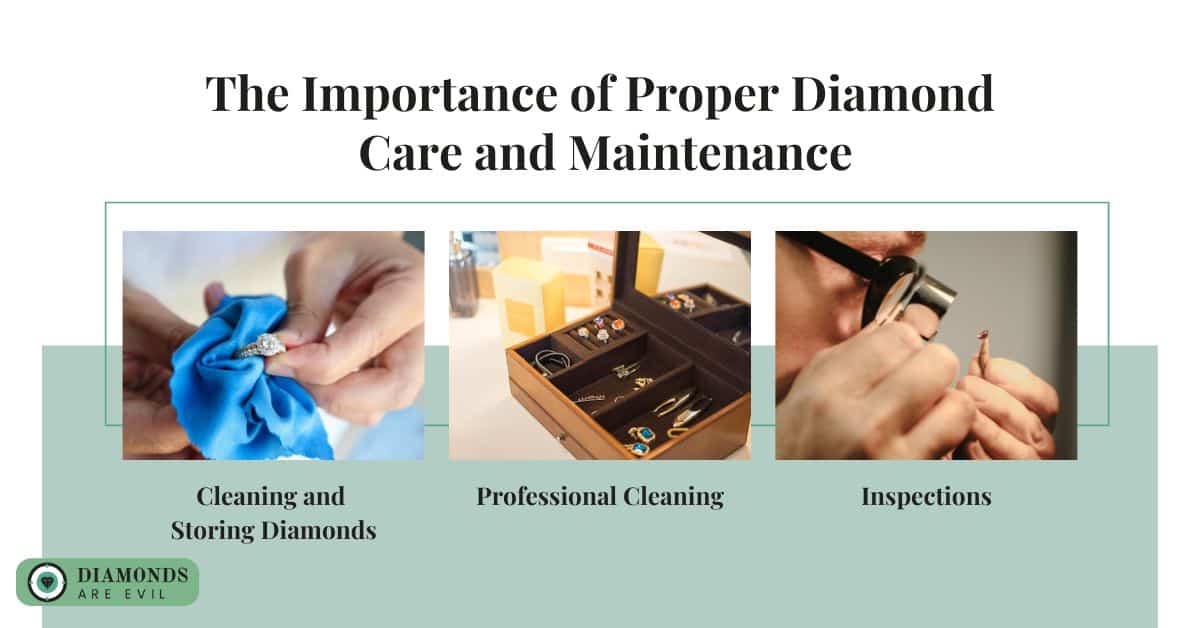
To keep your diamonds sparkling, it’s important to clean them regularly. A soft cloth or brush can be used to gently remove dirt and oils that may accumulate on the stone. Ultrasonic cleaners are also an effective way of removing dirt and debris from diamond jewelry.
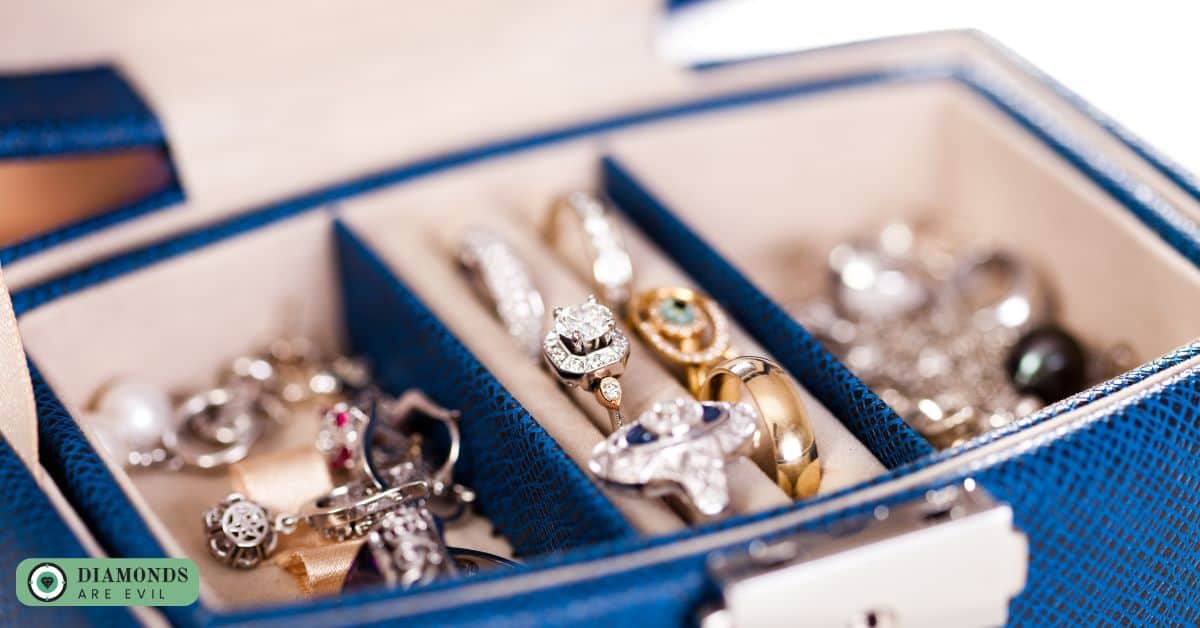
In addition to cleaning your diamonds, it’s also important to store them properly. Diamond jewelry should be kept away from sunlight, heat sources, and chemicals to prevent damage. It is also recommended that diamonds are stored in individual compartments or pouches to protect them from scratches or other forms of damage.
Professional Cleaning
Regular home cleaning may be sufficient for maintaining the luster of your diamonds, but it is also recommended that they are professionally checked and cleaned at least once per year. Professional cleaning can help restore the brilliance of a diamond and identify any potential problems or damage before it gets worse.
Inspections
Diamonds should also be visually inspected regularly to identify any signs of wear or damage. If a diamond has become chipped, cracked, or discolored, it may need to be repaired or replaced by a professional jeweler.
By taking the time to properly care for and maintain your diamonds, you can ensure that they remain in pristine condition for years to come. Proper diamond care and maintenance will not only keep your diamonds looking their best, but it can also help protect them from damage and allow you to enjoy them for many years.
The Role of Certification in Evaluating Diamond Quality
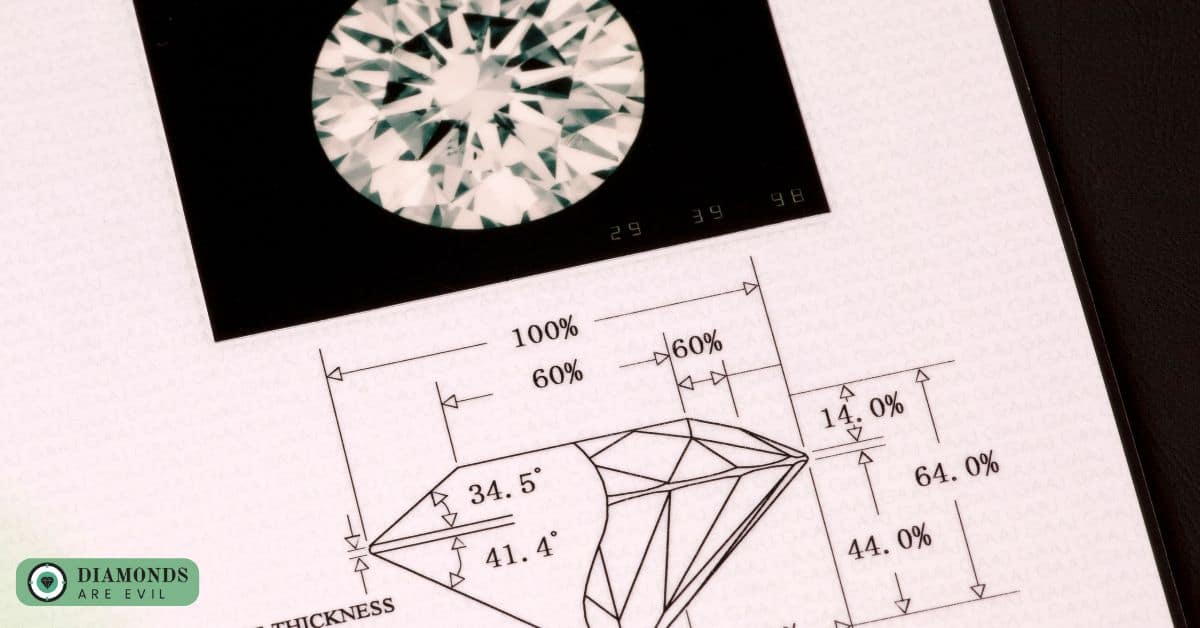
Diamond certification is an important part of evaluating diamond quality. It involves the assessment of a diamond’s cut, color, clarity, and carat weight by a trained gemologist to assign an accurate grading.
The certifying authority also inspects the stone for any flaws or imperfections that would affect its value or integrity. By providing this information, certification helps buyers make informed decisions about their diamond purchase.
For a diamond to be certified, it must first undergo a thorough evaluation from an independent third-party laboratory. Once the process is complete, the stone is issued a certificate that summarizes its characteristics and quality. This document should also include photos of the diamond for easy identification and verification.
Diamond certification is an invaluable tool for buyers and sellers alike, as it assures that the diamond is of a certain quality and value. It also helps reduce fraud in the industry by ensuring the accuracy of the information concerning diamonds.
In conclusion
Diamonds are incredibly durable and hard substances that have become synonymous with luxury and beauty. Despite their hardness, they are still vulnerable to damage or shattering if subjected to extreme heat or pressure. Additionally, diamond cleavage planes are vulnerable to cracking if the stone is impacted by a hard blow.
Proper care and maintenance are essential for preserving diamond quality and preventing damage. Additionally, diamond certification is a valuable tool for evaluating diamond quality and protecting buyers from fraud. With the right knowledge and care, diamonds can remain in pristine condition for many years.