
The Truth About Diamond Rarity: Separating Fact from Fiction
The idea that diamonds are rare and valuable is a marketing strategy. While large, high-quality diamonds are rare, the abundance of smaller and lower-quality diamonds makes them less valuable. The diamond industry has a history of controlling supply to maintain high prices, and lab-grown diamonds challenge the notion of rarity.
From diamond mining to grading, we will explore the different factors that affect diamond rarity and evaluate whether diamonds are truly as rare as they seem. Join us on this journey to discover the truth behind diamond rarity and learn why these precious gems continue to captivate us.
The Rarity of Diamonds
Diamonds are a precious commodity, and this is because of their extreme rarity. Diamonds form deep within the Earth’s mantle, under intense temperatures and pressure. This process can take millions of years to complete, making diamonds one of the rarest materials found on our planet. In fact, it is estimated that a 1-carat diamond is created every 250,000 years!
The rarity of diamonds can be seen in the price, as they are one of the most expensive materials that money can buy. The scarcity of these gems makes them highly sought after by collectors and investors alike.
A diamond’s value depends on its clarity, cut, color, and carat size. The more rare a diamond is, the higher its value. The rarity of diamonds has also made them popular as symbols of wealth and status. For many centuries, diamonds have been used to denote social standing and luxury.
The Myth of Diamond Rarity
Despite their rarity, diamonds are more accessible and affordable than ever. Thanks to advancements in mining techniques. Large deposits of diamonds have been discovered around the world, making them much more plentiful than in times past. This has led to a decline in diamond prices, allowing for even the average consumer to purchase these luxurious stones.
However, despite this decrease in price, diamonds remain rare and valuable. The myth of diamond rarity persists due to the fact that they are still difficult to find. This makes them a desirable commodity.
Their status as symbols of luxury and wealth still hold true. It is this enduring quality that has kept diamond prices high despite their increased availability. The rarity of diamonds make them a unique and sought after commodity. It will remain a valuable asset for centuries to come.
The De Beers Monopoly
The diamond industry is largely dominated by the De Beers monopoly. Cecil Rhodes formed the De Beers Mining Company to control a vast majority of the world’s diamonds. This monopoly has allowed the company to maintain their dominance in the industry, and subsequently, manipulate prices and availability.
De Beers has been able to keep prices high by limiting supply. It creates the illusion of diamond rarity. This has allowed them to maintain their monopoly over the industry. Despite their attempts to control the market, De Beers’ monopoly is slowly being eroded by new competitors. They are entering the market with more ethical practices and better prices.
The discovery of new diamond mines
The discovery of new diamond mines has made diamonds much more accessible. Their rarity still makes them a highly valuable commodity. The myth of diamond rarity is still alive and well.
With their unique beauty and enduring quality, diamonds will continue to be the symbol of luxury. Despite their increased availability, diamonds are still rare and valuable. This is the reason why they are an ideal investment for those looking to gain long-term financial stability.
The discovery of new diamond mines has helped make diamonds more affordable and accessible than ever before. Their rarity ensures that they will remain a precious commodity.

The use of synthetic diamonds
The availability of synthetic diamonds has also helped to reduce the cost and increase the accessibility of these gems. Synthetic diamonds are created in a laboratory, making them much more affordable than natural counterparts. Although not as valuable or rare as natural diamonds.
These versions offer an alternative for those who desire to own a diamond. The use of synthetic diamonds is also a great way to reduce your environmental footprint. They don’t require the same mining and extraction processes that natural diamonds do.
The myth of diamond rarity still holds true. Advancements in technology have made these stones more available and affordable than ever before. Synthetic diamonds offer an alternative to natural stones, allowing anyone to have access to these luxurious and valuable gems.
Despite their increased availability, diamonds are still a rare and precious commodity, making them an ideal investment for those looking to gain financial stability.
The Reality of Diamond Rarity
Diamonds are among the rarest materials found on Earth, and their extreme rarity makes them highly sought after. Despite advancements in mining techniques and the discovery of new diamond mines, diamonds remain a precious commodity that is steeped in history and tradition. The myth of diamond rarity is alive and well, making diamonds an ideal investment for those looking to gain long-term financial stability.
Though their availability has increased and prices have decreased, diamonds are still rare, valuable, and luxurious in the eyes of many. Synthetic diamonds offer an alternative to natural stones, making them a more affordable option while still offering the beauty and luxury associated with these gems.
The geological process of diamond formation
Thanks to advancements in mining technology, diamonds are more accessible than ever before; however, their rarity ensures that they will remain a precious asset for many years to come.
The rarity of diamonds is what makes them so desirable and valuable, and the myth of diamond rarity will likely remain alive for many years to come. Diamonds are a symbol of luxury and wealth, and their extreme rarity makes them an ideal investment for those looking to gain long-term financial stability.
Diamonds are formed deep within the Earth’s mantle, under intense temperatures and pressure. This process can take millions of years to complete, making diamonds one of the rarest materials found on our planet.
The stones produced during this process are then carried to the surface through volcanic eruptions or other geological events. Diamonds that make their way to the surface of the Earth are then mined and harvested, making them available to the market.
The rarity of diamonds makes them highly sought after by collectors, investors, and luxury buyers alike.
The limited number of diamond mines
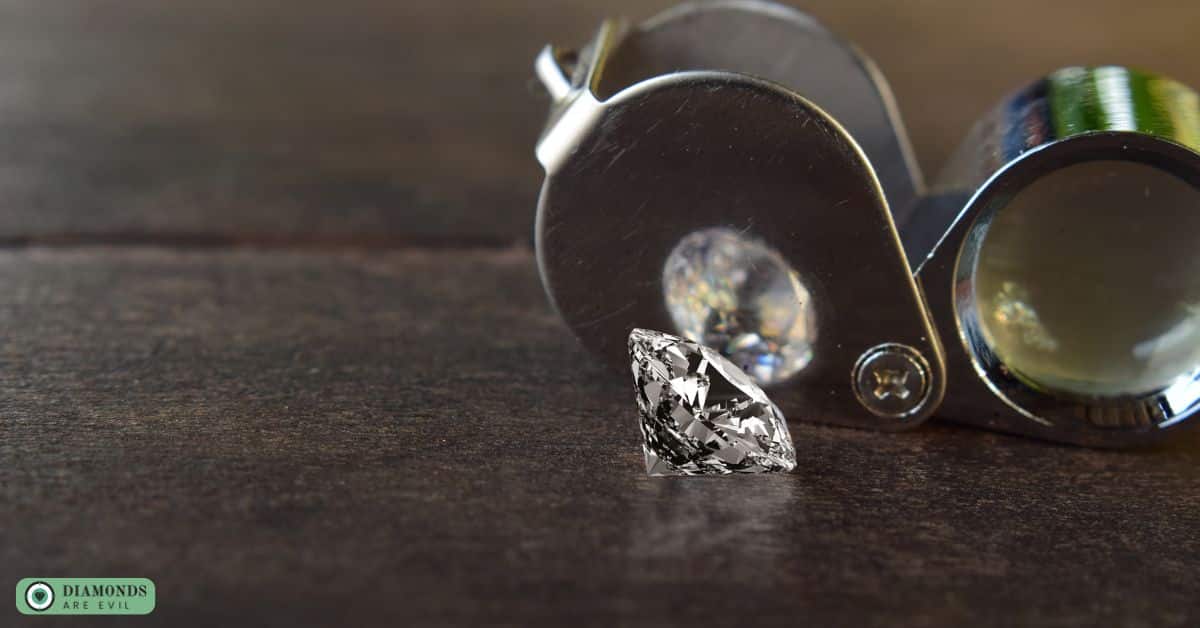
Though diamonds are more accessible due to advancements in technology and the discovery of new diamond mines, their rarity ensures that they will remain a valuable commodity. The limited number of diamond mines around the world means that there is only so much supply, which keeps prices high and demand strong.
The De Beers monopoly has been able to keep prices high by limiting supply, creating the illusion of diamond rarity. Despite their attempts to control the market, De Beers’ monopoly is slowly being eroded by new competitors who are entering the market with more ethical practices and better prices.
Factors Affecting Diamond Rarity
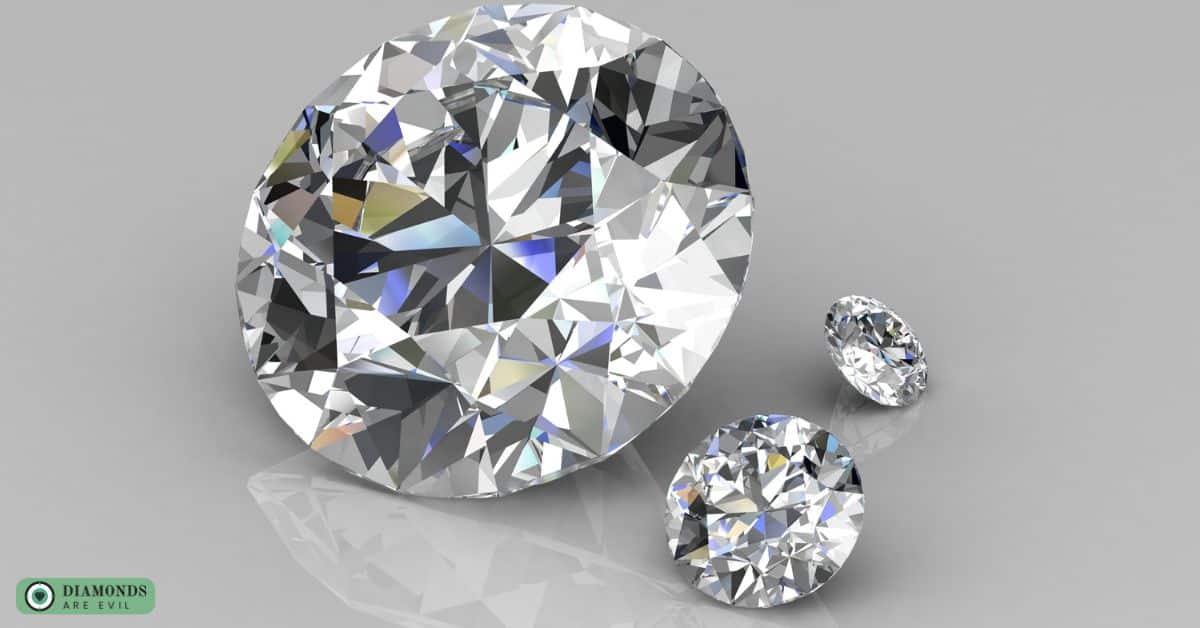
There are several factors that affect the rarity of diamonds, such as their origin and carat size. Natural diamonds tend to be more rare and valuable than synthetic ones, and larger stones are usually more expensive than smaller ones.
The clarity, cut, and color of a diamond also play a role in its value; the rarer these characteristics are, the higher the price. Additionally, diamonds from certain regions are more sought after than others due to their unique characteristics.
Carat weight
Carat weight is the most important factor in determining a diamond’s rarity and value. The size of a diamond directly correlates to its cost, as larger diamonds are more difficult to find and therefore, more expensive.
As previously mentioned, it is estimated that a 1-carat diamond is created every 250,000 years; this makes stones over one carat extremely rare and highly sought after. As such, these stones can command prices upwards of $100,000 or more.

Cut
The cut of a diamond is another element that affects its rarity. A well-cut diamond is rare and valuable, as it has no visible blemishes or inclusions. The perfect symmetry and polish achieved through cutting can make a diamond look even more brilliant and beautiful. As such, diamonds with an excellent cut are highly sought after and command a higher price.
Color
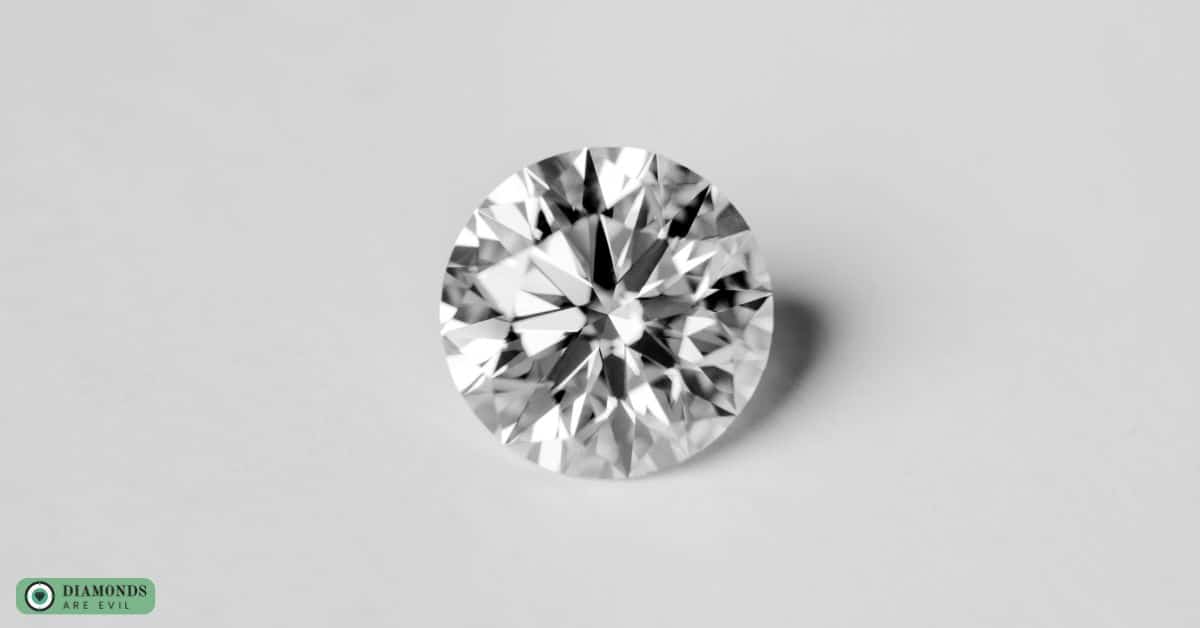
The color of a diamond can also contribute to its rarity and value. Colorless diamonds, or those with the least amount of yellow or brown hues, are rarer and more desirable than lower quality stones. It is estimated that only one in 10,000 diamonds are truly colorless, making them very rare and valuable.
Clarity
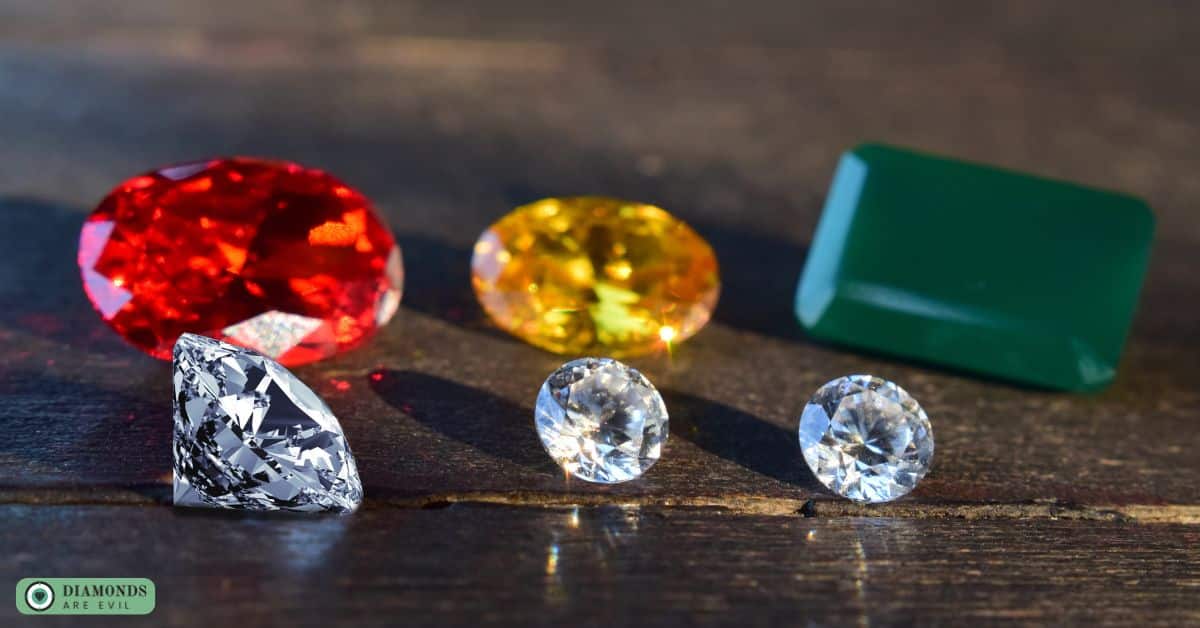
The clarity of a diamond is also an important factor when determining its rarity and value. Flawless diamonds are the rarest and most valuable of all, as they have no visible blemishes or inclusions even under 10x magnification.
A diamond’s clarity can range from Internally Flawless (IF) to Included (I3), with lower clarity stones being less expensive than their higher quality counterparts.
The Role of Rarity in Diamond Pricing
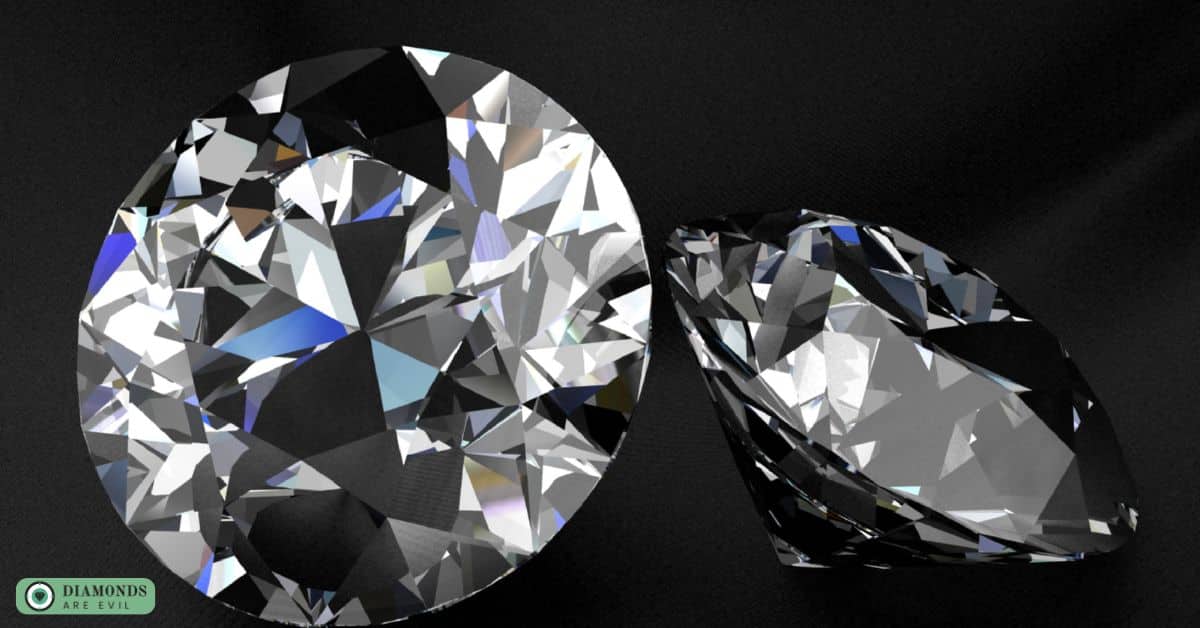
The rarity of diamonds is one of the most important factors in determining their value. A diamond’s price is based on its origin, carat size, cut, color, and clarity. The rarer a diamond is, the higher its value; this makes them an ideal investment for those looking to gain long-term financial stability.
Synthetic diamonds offer an alternative to natural ones, making them more accessible and affordable for the average consumer. However, despite their increased availability, diamonds remain rare and valuable, making them a desirable commodity that will continue to be sought after for centuries to come.
Significance of Rarity in Diamond Engagement Rings
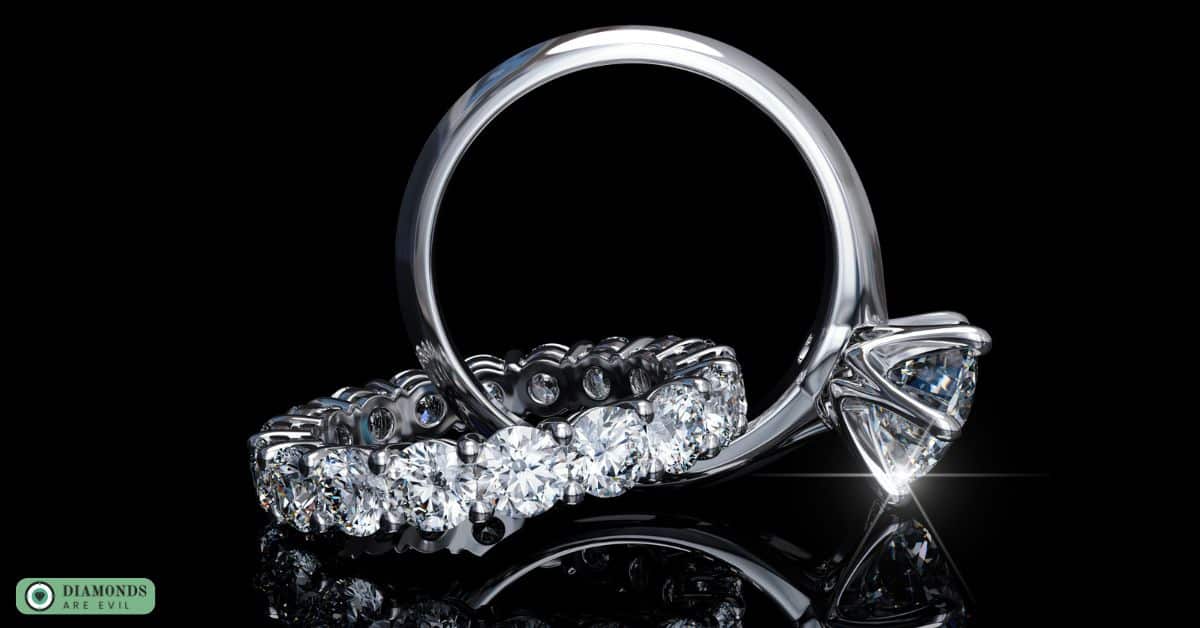
Diamonds have long been a symbol of love and commitment, making them the ideal choice for engagement rings. The rarity of diamonds makes them an exceptional representation of the everlasting bond between two people. As such, many couples choose to exchange diamond engagement rings as a timeless expression of their eternal love and devotion.
The rarity of diamonds also adds to their appeal as a symbol of luxury and wealth. The limited number of diamond mines around the world, along with the De Beers monopoly’s attempts to control the market, have kept prices high and demand strong. As such, diamonds remain one of the most sought after materials in the jewelry industry.
The value of rarity for diamond collectors
The rarity of diamonds makes them highly sought after by collectors and investors alike. Collectors appreciate the unique beauty and enduring quality of these precious stones, while investors are drawn to their potential for long-term financial stability.
Due to the limited number of diamond mines around the world, along with advancements in mining technology and the use of synthetic diamonds, the rarity of these gems still remains. This ensures that diamonds will continue to be a valuable and desirable asset for many years to come. The rarity of diamonds makes them highly sought after by collectors and investors alike.
In Conclusion
The rarity of diamonds is what makes them so valuable, and this characteristic will likely remain alive for many years to come. Despite advancements in technology and the discovery of new diamond mines, diamonds remain a rare commodity that is steeped in history and tradition. Their unique beauty and enduring quality make diamonds an ideal investment for those looking to gain long-term financial stability.
The myth of diamond rarity persists due to their extreme scarcity, which makes them a desirable commodity. Furthermore, their status as symbols of luxury and wealth still hold true; it is this enduring quality that has kept diamond prices high despite their increased availability. As such, diamonds will remain a valuable asset for centuries to come.